
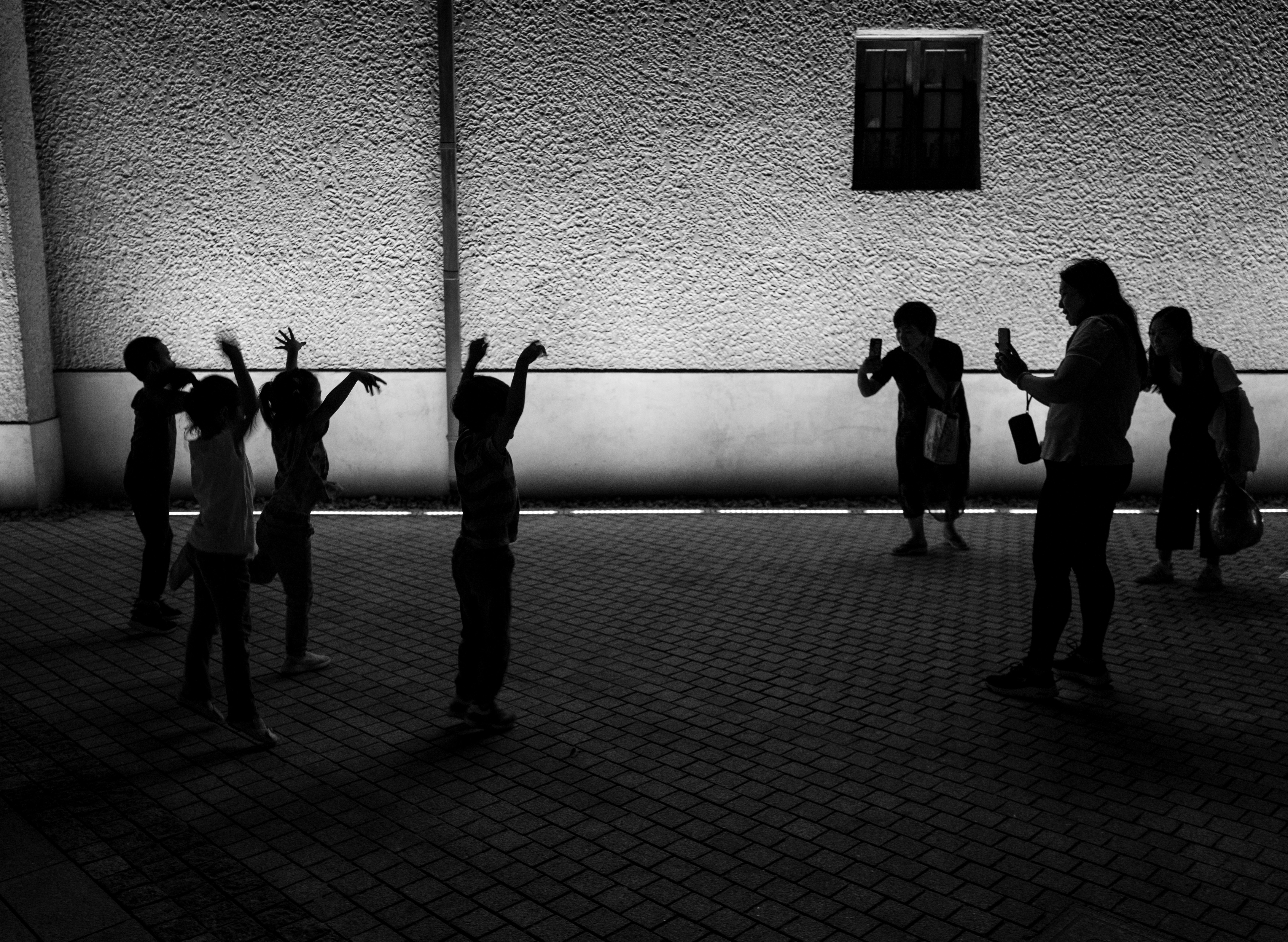
Competition dance culture can make you feel like if your kid isn’t the top soloist by age six, you’ve already fallen behind.
More classes.
More privates.
More money.
More pressure.
But here’s the truth nobody says out loud:
Not every competition kid needs to be “the best.”
Some kids just need to dance.
My daughter isn’t the strongest turner. She doesn’t win every weekend. She’s the youngest in her group and right in the middle of the pack.
And she’s happy.
She dances hard.
She laughs backstage.
She practices in the kitchen.
She doesn’t obsess over placements.
That’s enough.
The Pressure Starts With Adults
Kids don’t usually wake up at nine years old thinking,
“I must dominate the competition circuit.”
Adults do that.
We compare.
We watch.
We whisper.
We measure worth in scores.
I’ve seen families stretch themselves financially trying to chase a level their child might not even want.
I’ve seen parents get caught up in what it looks like instead of how it feels for their kid.
And I get it.
Dance is expensive.
If you’re paying for it, you want it to matter.
But being “the best” at nine doesn’t guarantee:
- confidence
- happiness
- longevity
- love for the art
Sometimes it guarantees burnout.
Some Kids Grow Slower — And That’s Okay
Some dancers shine early.
Some take time.
Some don’t fit the mold teachers expect right away.
That doesn’t mean they don’t belong.
The kids who stick with dance long-term aren’t always the ones winning at six, seven, or eight. They’re the ones who still love it at fourteen.
What Actually Matters
If she improves — that matters.
If she builds discipline — that matters.
If she learns to handle losing — that matters.
If she stays healthy — that matters.
If she still loves dance next year — that matters.
We are not building a resume at age nine.
We are building resilience.
Competition season is loud.
But your child’s joy?
That’s quieter.
Protect that first.
Leave a Reply